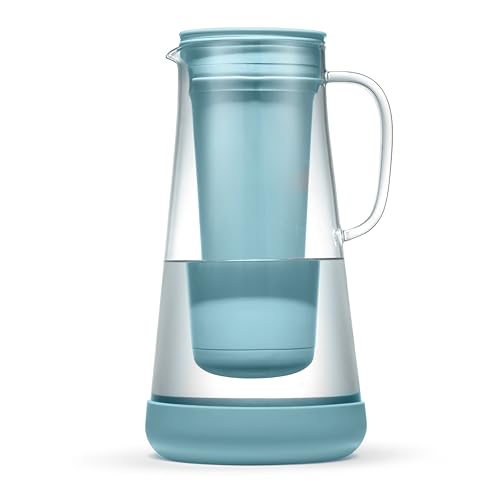
The LifeStraw Home 7-Cup Glass is a water filter pitcher designed for everyday kitchen use. It combines a 7-cup pitcher format with hand-blown borosilicate glass and a two-part filtration system. The filtration is designed to reduce a broad range of contaminants, including bacteria, parasites, microplastics, lead, mercury, PFAS, chlorine, herbicides, pesticides, dirt, sand, and cloudiness.
In addition to reducing unwanted substances, the pitcher is designed to retain minerals such as magnesium and potassium. It may suit households that want filtered water for drinking, cooking, coffee, tea, or filling reusable bottles without relying as heavily on single-use bottled water.
Quick Overview
The LifeStraw Home 7-Cup Glass uses a membrane microfilter together with an activated carbon and ion exchange filter. These filtration stages serve different purposes. The membrane microfilter is designed to address bacteria, parasites, and microplastics, while the activated carbon and ion exchange filter reduces substances such as lead, mercury, PFAS, chlorine, herbicides, and pesticides. It also helps reduce dirt, sand, cloudiness, and unwanted tastes or odors associated with some tap water.
The two filters have different replacement intervals. The membrane microfilter lasts up to 264 gallons, described as approximately one year of use, while the activated carbon and ion exchange filter lasts up to 40 gallons, described as approximately two months. Actual replacement timing can depend on household usage and water conditions, so following the manufacturer’s care guidance is important.
| Brand | LifeStraw |
|---|---|
| Product type | Water filter pitcher |
| Capacity | 7 cups |
| Material | Hand-blown borosilicate glass |
| Color | White |
| Membrane microfilter life | Up to 264 gallons, or approximately one year |
| Activated carbon and ion exchange filter life | Up to 40 gallons, or approximately two months |
What Is the LifeStraw Home 7-Cup Glass?
This product is a countertop or refrigerator water filter pitcher for routine household water filtration. Water is added to the pitcher, passes through the filtration system, and collects in the lower portion for pouring. The 7-cup capacity places it in a practical range for individual users, couples, or households that prefer to refill a pitcher during the day.
The glass construction gives the pitcher a different feel from plastic filter pitchers. Hand-blown borosilicate glass is the central material identified for this version. If storage space, refrigerator clearance, or handling weight is important, check the current dimensions and care instructions before purchasing, since those details are not included here.
How the Filtration System Works
Membrane microfilter
The membrane microfilter is designed to remove bacteria and parasites in addition to microplastics. This is a notable distinction from basic pitchers that focus primarily on taste, chlorine, or selected metals. The stated service life is up to 264 gallons, or roughly one year.
Microfilter performance does not mean every possible substance is removed from water. Water quality varies by location, and the pitcher should be used and maintained according to the manufacturer’s instructions. Anyone dealing with a specific local water concern should compare that concern with the filter’s stated capabilities.
Activated carbon and ion exchange filter
The activated carbon and ion exchange filter is designed to reduce lead, mercury, PFAS, chlorine, herbicides, and pesticides. It also helps reduce dirt, sand, cloudiness, and substances that can affect water taste. This filter has a shorter stated life of up to 40 gallons, or approximately two months.
Because the two filtration components have different service intervals, maintenance requires attention to both. Replacing only one component may not provide the intended overall filtration performance once the other has reached its service limit.
Design and Everyday Kitchen Use
A 7-cup pitcher can be used for drinking water at meals, filling glasses throughout the day, preparing hot or cold beverages, and adding water to recipes. Filtering water in a pitcher also allows users to keep a supply ready instead of filtering each glass separately.
The glass body may appeal to people who prefer the appearance of glass in the kitchen or want an alternative to a plastic pitcher. At the same time, glass generally calls for more careful handling than flexible plastic. The product’s hand-blown borosilicate glass construction is a defining design feature, but current handling and cleaning directions should be checked before use.
The pitcher is also intended to improve taste. Reducing chlorine and other substances that affect flavor can make filtered water more appealing for drinking and may be useful when preparing coffee, tea, powdered beverages, or ice.
Filter Replacement and Maintenance
Maintenance is an important part of owning any filtered-water pitcher. The LifeStraw Home 7-Cup Glass uses filter components with separate replacement schedules. The membrane microfilter is rated for up to 264 gallons, while the activated carbon and ion exchange filter is rated for up to 40 gallons.
- Keep track of both filter service intervals rather than relying on only one replacement date.
- Consider household consumption when estimating how quickly the shorter-life filter will need replacement.
- Follow the manufacturer’s preparation, installation, and cleaning instructions for each filter component.
- Check the current care guidance before placing any part in a dishwasher or using specialized cleaning products.
Regular replacement can also help preserve the intended taste and flow of the filtered water. A noticeable change in taste, reduced flow, or visible buildup may be a reason to review the care instructions, although these signs do not replace the recommended replacement schedule.
Who It May Be Suitable For
The LifeStraw Home 7-Cup Glass may be suitable for people who want a pitcher with filtration beyond basic taste improvement. Its stated reduction capabilities include bacteria, parasites, microplastics, lead, mercury, PFAS, and several chemicals, as well as dirt, sand, and cloudiness.
It may also appeal to households that prefer a glass pitcher and want to reduce their use of single-use plastic water bottles. The 7-cup format can work well for everyday hydration, although larger households may need to refill it more frequently.
Things to Consider Before Choosing It
- Capacity: Seven cups may be convenient for routine use, but frequent drinkers or larger households may need multiple refills.
- Filter upkeep: The carbon and ion exchange filter has a shorter stated life than the membrane microfilter, so ongoing maintenance involves two schedules.
- Glass construction: The hand-blown borosilicate glass design may fit a particular kitchen preference, but storage and handling should be considered.
- Water concerns: The pitcher targets specific contaminants. For a known local water issue, compare the filter’s stated reduction categories with current water-quality guidance.
- Care instructions: Review the latest cleaning, setup, and replacement directions before use, particularly if dishwasher compatibility or other care details matter.
For the latest product information and specifications, view the current product listing.
Frequently Asked Questions
What does the LifeStraw Home 7-Cup Glass filter reduce?
The filtration system is designed to reduce bacteria, parasites, microplastics, lead, mercury, PFAS, chlorine, herbicides, pesticides, dirt, sand, and cloudiness. It is also designed to improve taste while retaining minerals such as magnesium and potassium.
How often do the filters need to be replaced?
The membrane microfilter lasts up to 264 gallons, or approximately one year. The activated carbon and ion exchange filter lasts up to 40 gallons, or approximately two months. Household use and water conditions can affect how quickly these limits are reached.
Is this pitcher made from glass?
Yes. This version is made from hand-blown borosilicate glass.
Can the pitcher be used for drinking water?
It is designed as a household water filter pitcher for everyday filtered water. Use and maintenance should follow the manufacturer’s instructions, especially when addressing a specific water-quality concern.
Does it remove minerals from water?
The filtration system is designed to retain essential minerals including magnesium and potassium.
Final Thoughts
The LifeStraw Home 7-Cup Glass combines a household pitcher format with two-stage filtration and a hand-blown borosilicate glass design. Its stated filtration focus extends beyond taste and chlorine reduction to include bacteria, parasites, microplastics, metals, PFAS, and several other substances. The main practical points to weigh are the 7-cup capacity, the separate filter replacement schedules, and the care considerations associated with a glass pitcher.