Malco Portable Mini Brake, 48 in, 22 Ga Capacity is a compact metalworking tool intended for bending sheet metal in jobsite and workshop settings. For readers comparing mini brakes for roofing, flashing, or light fabrication work, this type of tool is useful when a full-size brake is unnecessary or too large to move easily.
The basic idea is straightforward: a portable brake helps form bends in sheet metal so material can be shaped for trimming, flashing, transitions, and related components. With a 48-inch maximum bending width and a 22 gauge capacity, this model sits in a category that is often used for smaller-scale metal forming tasks where portability and narrower workpieces matter.
Quick Overview
This Malco portable mini brake is a hand lever tool with a 48-inch maximum bending width and a 22 gauge capacity. It is designed for bending up to 135 degrees, which gives it flexibility for many common sheet metal shaping tasks. The tool is also made in the United States.
Because this is a portable brake, it is suited to situations where moving the tool to the work matters as much as the bend itself. That can include roofing work, flashing fabrication, and other light sheet metal applications where precise bends are needed in manageable lengths.
| Product Type | Portable mini brake |
|---|---|
| Brand | Malco |
| Capacity | 22 ga |
| Maximum Bending Width | 48 in |
| Maximum Bending Angle | 135 degrees |
| Operation | Hand lever |
| Country of Origin | Made in the United States |
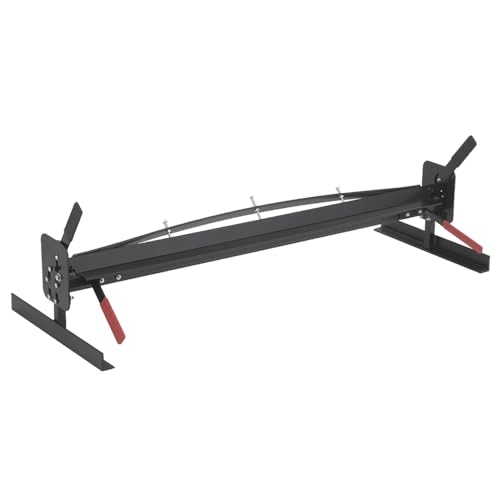
What This Mini Brake Is For
A mini brake is a sheet metal forming tool used to create bends across a workpiece. In practical terms, that means it can help shape metal into parts used in roofing and building work, especially where narrow strips or smaller components need to be formed with control.
This Malco model is described as suitable for bending metal roofing components and roof flashing, including copper and aluminum. It is also described for narrow roof-flashing strips and for fabricating plenums or larger transitions at the job site. Those uses point to a tool meant for field work and on-site fabrication rather than large production runs.
For people working with sheet metal, the value of a portable brake is often in reducing the need to pre-fabricate every piece off-site. A tool like this can let the user shape material closer to the point of installation, which can be useful when measurements change or small adjustments are needed during a project.
Key Features That Matter in Use
48-inch maximum bending width
The 48-inch width tells you the widest piece of material the brake is designed to bend. In everyday use, that means the tool can handle many common small-to-medium sheet metal pieces, especially when working on flashing or similar components that do not require a full-sized brake.
22 gauge capacity
Capacity matters because it defines the type of metal the tool is built to handle. A 22 gauge capacity places this brake in a range commonly associated with lighter sheet metal work. If your projects involve material thicknesses outside that range, it is worth checking the exact gauge requirements of the job before selecting this tool.
Up to 135-degree bends
The ability to bend up to 135 degrees gives the brake a useful range for forming angles beyond simple shallow bends. That can matter when making trim pieces, edge returns, or parts that need a more pronounced fold. It does not mean every project needs that full bend, but it gives the tool more flexibility when shaping parts for installation.
Hand lever operation
Hand lever operation keeps the tool simple. There is no motor or power source to manage, which can be helpful in field settings or locations without power access. For many users, the appeal of a manual brake is direct control over the bending process and less setup complexity.
Common Uses in Roofing and Sheet Metal Work
Mini brakes are often used where clean, repeatable bends are needed in smaller sheet metal pieces. This Malco brake is particularly relevant for roofing-related work because roof flashing and related components often require exact bends to fit edges, transitions, and penetrations.
It is also suited to narrow roof-flashing strips, which can be cumbersome to shape with improvised methods. A dedicated brake helps support more consistent angles and a cleaner finished part. In addition, the mention of plenums and large transitions shows that the tool can be part of HVAC-style fabrication tasks where custom sheet metal pieces must be bent to size on site.
- Roof flashing fabrication
- Bending narrow sheet metal strips
- Shaping metal roofing components
- On-site fabrication of transitions
- Light sheet metal forming work
Design and Practical Handling
As a portable mini brake, this tool is built around transportability and jobsite use. That makes it different from larger stationary brakes that stay in one place and handle wider or heavier material. A portable design is useful when space is limited or when the tool needs to be moved between locations.
The hand lever format also suggests a straightforward mechanical layout. For users, that typically means fewer components to power or maintain, though it still requires proper setup, careful alignment, and attention to material thickness and bend direction. Portable brakes are most useful when the operator needs a balance of mobility and control.
Since this model is described as made in the United States, that may matter to some buyers who prefer domestic manufacturing. It does not change how the tool functions, but it is a useful product detail to keep in mind when comparing options.
What to Check Before Buying
For a tool like this, the most important checks are practical rather than decorative. The key question is whether the brake suits the material and bend size you work with most often.
- Material thickness: Confirm that 22 gauge capacity matches the sheet metal you plan to bend.
- Maximum width: Make sure 48 inches is enough for your typical workpieces.
- Bend angle needs: Check whether 135-degree bending covers the kinds of folds you make.
- Portability: Consider whether a mini brake fits the space and transport needs of your jobsite or workshop.
- Application fit: Review whether your work is mainly roofing, flashing, HVAC transitions, or another light fabrication task.
These checks matter because brakes are generally chosen for the type of sheet metal work they support. A good match between tool capacity and project requirements helps avoid frustration and wasted material.
Who It May Be Suitable For
This Malco portable mini brake may be suitable for roofers, siding installers, sheet metal workers, HVAC fabricators, and DIY users who handle occasional metal bending tasks and want a dedicated forming tool. It is also relevant for people who need a portable solution rather than a permanent shop brake.
Users who work mainly with narrow flashing, trim pieces, or jobsite transitions may find this style of tool especially practical. Those who regularly bend wider or heavier material would need to compare the brake’s capacity against their actual workload before choosing it.
Related Product Types
Within the broader category of sheet metal forming tools, there are several alternatives that serve different needs. A full-size brake handles larger panels and wider material. A pan brake is designed for different bending tasks and may support certain forms of sheet metal fabrication better than a mini brake. Folding tools, meanwhile, can be helpful for specific seam or edge work but are not the same as a brake.
The main distinction is scale and purpose. A mini brake is generally about portability and smaller workpieces, while larger brakes are aimed at broader coverage and heavier-duty forming. Choosing between them depends on the size of the material and the style of work involved.
For the latest product information and specifications, view the current product listing.
Frequently Asked Questions
What does a 22 gauge capacity mean?
It means the brake is designed for sheet metal up to 22 gauge. That gauge rating helps identify the thickness range the tool is meant to handle, which is important when matching the brake to your project materials.
What is a mini brake used for?
A mini brake is used to bend sheet metal into specific angles and shapes. It is commonly used for roofing components, flashing, narrow strips, and other smaller fabrication tasks where portability is helpful.
Can this tool handle wide pieces of sheet metal?
The maximum bending width is 48 inches. That makes it suitable for many smaller and moderate-width pieces, but it is not a substitute for a larger brake when oversized material is involved.
Why does the 135-degree bend matter?
A 135-degree bend range provides more flexibility than a shallow bend only. It can be useful for forming edges, returns, and other shapes used in sheet metal work.
Is this brake intended only for roofing work?
No. Roofing and flashing are common uses, but the tool is also relevant for other light sheet metal fabrication tasks, including transitions and similar formed parts.
Final Thoughts
Malco Portable Mini Brake, 48 in, 22 Ga Capacity is a compact manual bending tool built for light sheet metal work where portability and control matter. Its 48-inch bending width, 22 gauge capacity, and 135-degree bending range place it in a practical category for roofing, flashing, and related fabrication tasks.
For users who need a movable brake for smaller pieces and jobsite work, it offers a clear and focused purpose. The key is to match the tool to the sheet metal thickness, width, and bend requirements of the work at hand.